
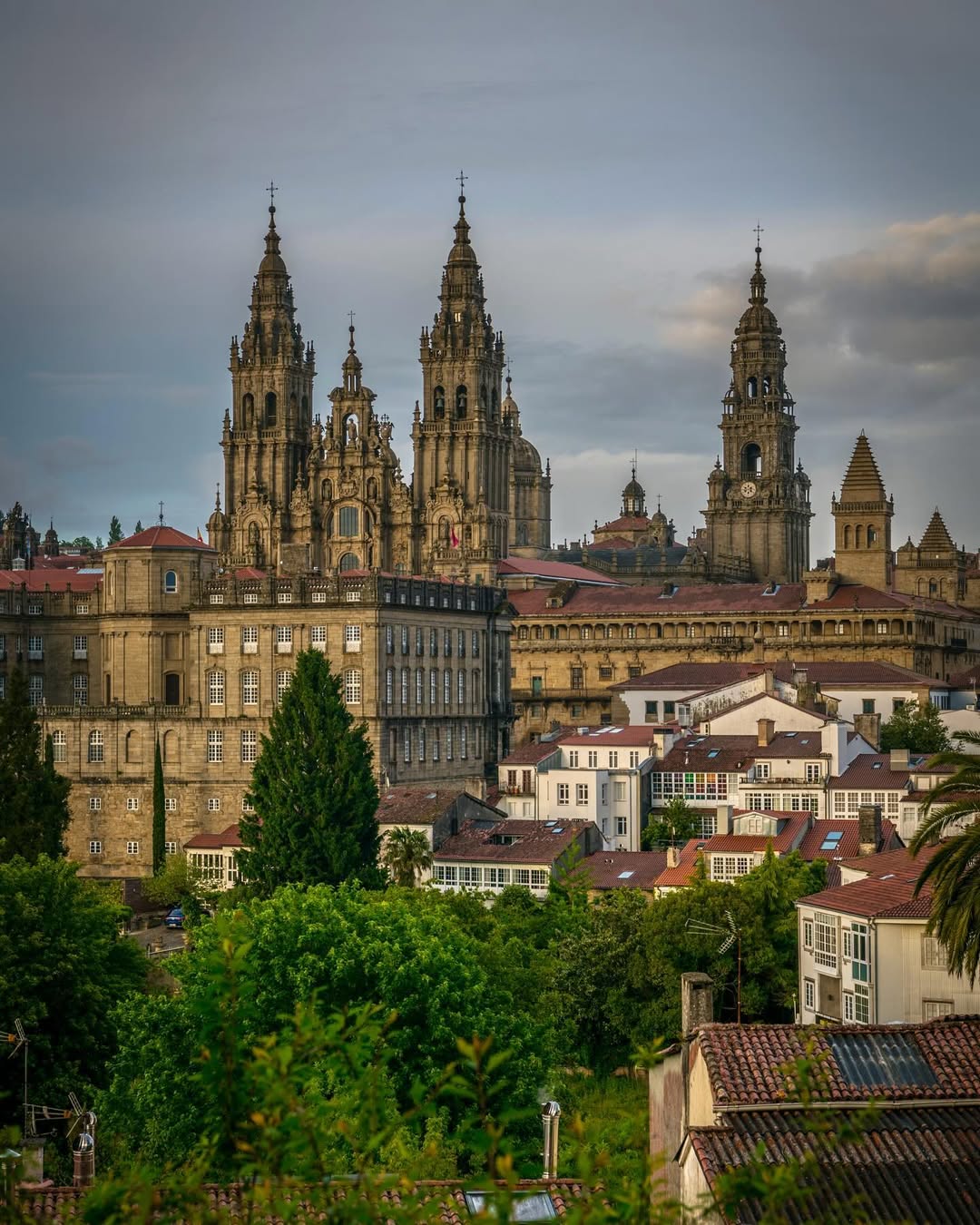
Spain is home to one of the most famous Christian pilgrimage routes in the world—the Camino de Santiago. This sacred journey, also known as the Way of St. James, has drawn pilgrims for centuries, offering a spiritual and cultural experience unlike any other. Here’s an in-depth look at this remarkable pilgrimage and the key sites along the way.
- The Camino de Santiago: A Historic Pilgrimage
The Camino de Santiago is a network of routes leading to the Cathedral of Santiago de Compostela, where the remains of St. James are believed to be enshrined. Pilgrims from all walks of life embark on this journey for spiritual growth, cultural enrichment, or personal challenge.
- The French Way (Camino Francés)
The most popular route, the French Way, begins in Saint-Jean-Pied-de-Port in France and stretches over 800 kilometers to Santiago. Along the way, pilgrims pass through stunning landscapes, historic villages, and sacred sites such as the Burgos Cathedral and the Cruz de Ferro.
- The Portuguese Way
Starting in Lisbon or Porto, the Portuguese Way follows a scenic coastal or inland route to Santiago. Highlights include the historic cities of Coimbra and Pontevedra, as well as the beautiful countryside of northern Portugal and Galicia.
- The Northern Way (Camino del Norte)
For those seeking a less crowded and more rugged path, the Northern Way offers breathtaking coastal scenery along Spain’s northern coast. This route passes through San Sebastián, Santander, and Gijón, providing a mix of nature and culture.
- The Spiritual Significance
Pilgrims walk the Camino for various reasons—some for religious devotion, others for self-reflection or adventure. Along the way, churches, monasteries, and hostels offer opportunities for prayer, rest, and community with fellow travelers.
- The Cathedral of Santiago de Compostela
The journey culminates at the Cathedral of Santiago de Compostela, a magnificent Romanesque structure housing the tomb of St. James. Pilgrims can attend the Pilgrim’s Mass and witness the iconic Botafumeiro, a massive incense burner swung during special ceremonies.
FAQ: Common Questions About the Camino de Santiago
- How long does the Camino de Santiago take?
The length of the journey varies depending on the route you take. The most popular route, the French Way, takes around 4 to 6 weeks to complete. Other routes, such as the Portuguese Way, can be completed in a shorter time. - Do I need to be religious to walk the Camino?
No, the Camino is open to people of all faiths and beliefs. While it is a religious pilgrimage, many people walk for personal reflection, physical challenge, or cultural exploration. - What should I pack for the Camino?
Essential items include comfortable walking shoes, a lightweight backpack, a sleeping bag, a water bottle, a rain jacket, and personal toiletries. Make sure to pack light, as you’ll be walking every day. - How much does it cost to walk the Camino?
The cost can vary depending on your route, accommodation choices, and dining preferences. On average, pilgrims can expect to spend between 30 to 50 euros per day for accommodation, meals, and other essentials. - Is the Camino de Santiago safe?
Yes, the Camino is generally safe for pilgrims. The routes are well-marked, and there is a strong community of fellow travelers. However, like any long journey, it’s important to take precautions and stay aware of your surroundings.
The Camino de Santiago is more than just a walk, it is a transformative experience that leaves a lasting impact on the soul. Whether you seek faith, history, or personal discovery, this sacred route in Spain continues to inspire pilgrims from around the world.